




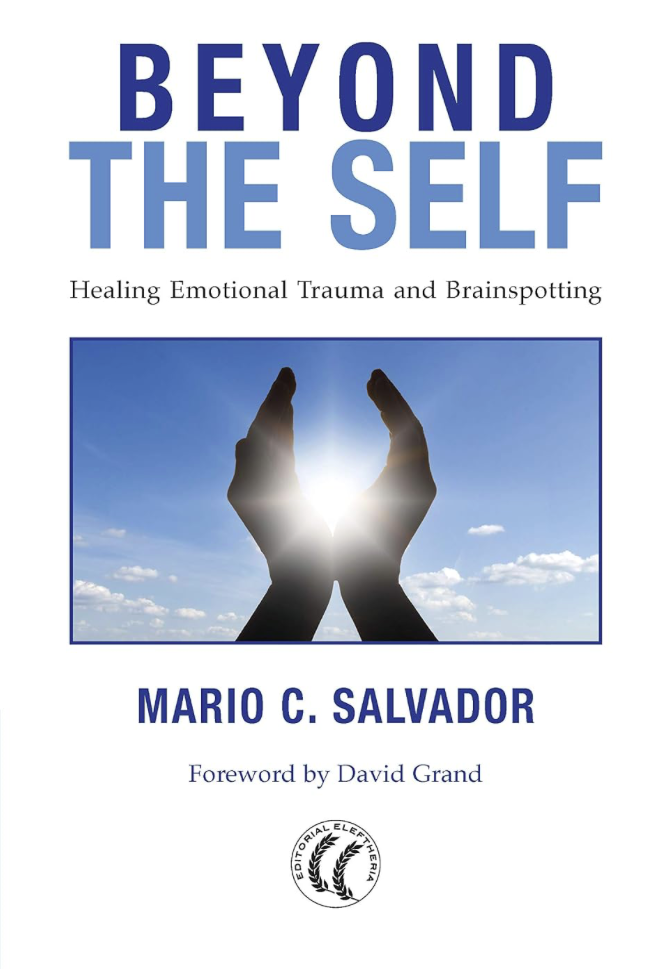
Beyond the Self is a book about trauma, but ultimately it is a book about something larger:
How human beings move from survival to integration, and from an identity shaped by adaptation and emotional wounds toward a freer and more authentic experience of self.
Throughout our development, we adapt to the relational environments in which we live. We learn how to maintain attachment, how to protect ourselves from emotional pain, what can safely be expressed and what must be hidden, and how to preserve a sense of belonging.
These adaptations are not mistakes. They are intelligent responses to our history. Yet strategies that once protected us may later become the very structures that limit our capacity for intimacy, spontaneity, emotional freedom and well-being.
Beyond the Self explores how trauma becomes organized within the brain-body-self system and how psychotherapy can help us understand, process and integrate the experiences that continue to shape our present.
The goal is not simply symptom reduction. It is integration.
And beyond integration lies the possibility of rediscovering what the book describes as the Core Self: a deeper dimension of identity that is not reducible to our wounds, our fears or the defensive strategies we once needed in order to survive.
WHAT MAKES THIS BOOK DISTINCTIVE
Beyond the Self brings together fields that are too often presented separately.
It integrates contemporary knowledge about trauma and neurobiology with attachment and developmental perspectives, embodied and experiential psychotherapy, mindfulness, self-compassion, Brainspotting and, above all, the therapeutic relationship.
The book is grounded in more than four decades of clinical experience.
Its central premise is that emotional trauma cannot be understood only through cognition or autobiographical narrative. Our history is also registered in the body, the nervous system, implicit memory, emotional responses and relational expectations.
Consequently, healing requires more than understanding what happened. It requires a new experience.
The person needs to experience that what was once unbearable, isolated or unprocessed can now be approached safely, felt, understood and integrated.
The therapeutic relationship becomes an essential part of that process.